

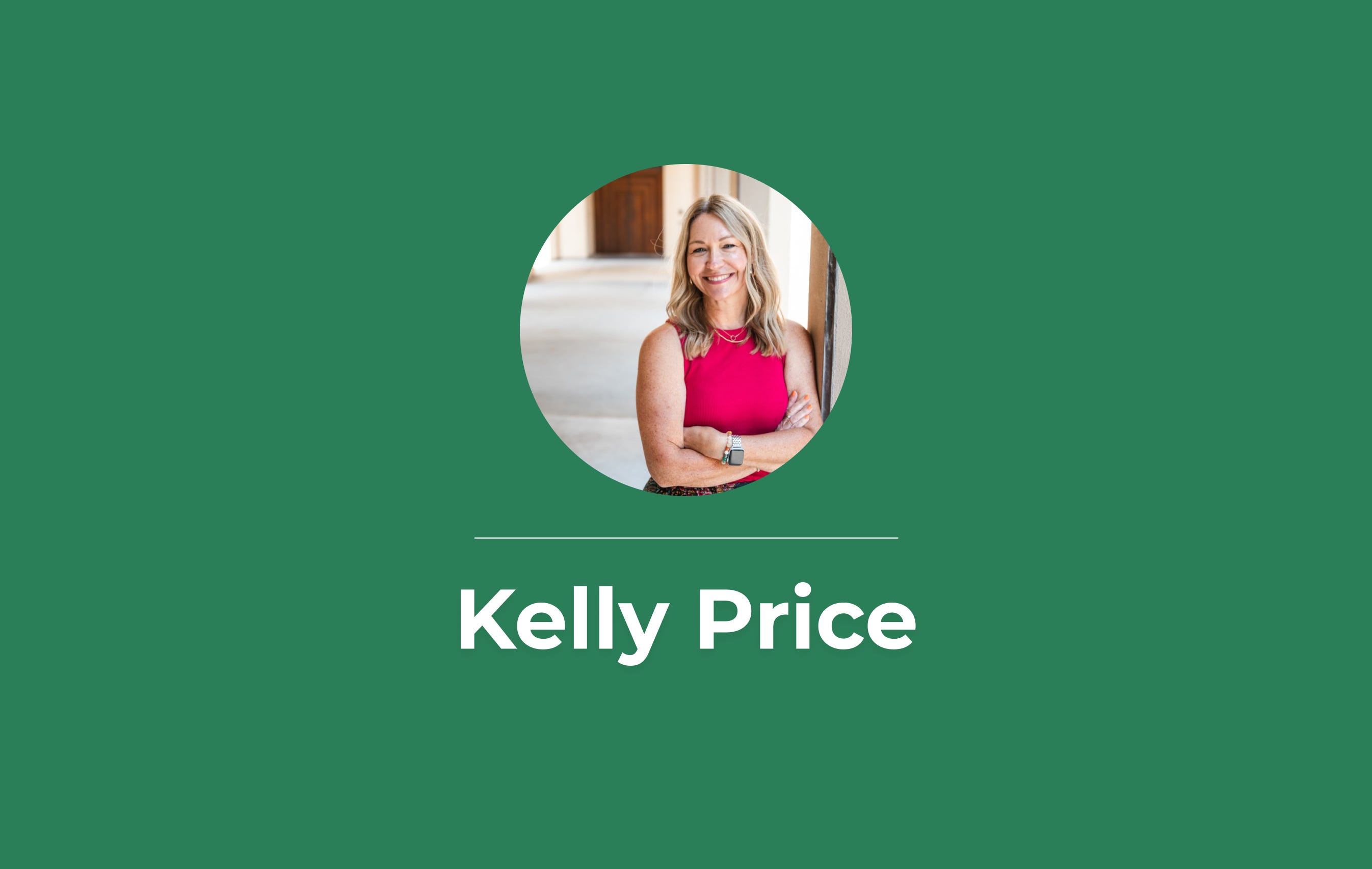
Kelly Price, SHRM-SCP is the Founder & CEO at ThriveHR, LLC. Rising to prominence in the 2010s as a high-impact HR and Total Rewards leader across multi-location service organizations, she became known for transforming people operations into a strategic growth engine for small and mid-sized businesses. Today she is widely regarded as a people-first operator who helps owners turn culture, compensation, and benefits into durable competitive advantage.
Previously, as Senior People Partner – Total Rewards at nbkc bank, she led compensation and benefits strategy for a rapidly evolving financial services organization during a period of tightening labor markets and accelerated digital transformation. In her earlier tenure as People Operations & Benefits Manager at nbkc, she was responsible for end-to-end HR operations for the Kansas City metropolitan footprint, supporting several hundred employees through multi-year change while maintaining compliance, retention, and engagement metrics.
Her career highlights include a seven-year rise at Samson Dental Partners, LLC, where she progressed from Recruiting Manager to Vice President of Human Resources while the organization scaled across multiple states and dozens of dental practices. During that period she built the recruiting function from scratch, hired clinical and non-clinical teams across home office and field locations, and expanded the HR organization to support rapid growth in headcount and locations. Earlier in her career, she sharpened her recruiting and talent acquisition craft at Ferrellgas and Waddell & Reed, managing nationwide and regional hiring mandates in highly competitive markets.
A graduate of Kansas State University with a bachelor’s degree in Hospitality Administration and a SHRM Senior Certified Professional credential renewed through 2027, she has also been an influential figure in the Kansas City HR community through board service with Total Rewards KC and L’Arche Heartland. Through ThriveHR, she continues to advise founders and leadership teams across Kansas City, Southwest Florida, and Houston on building resilient people strategies that scale.
Listen on Apple Podcasts↗ and Spotify↗
The Netflix Problem
Everyone loves the Netflix talent philosophy in theory. Treat adults like adults. Pay top of market. Fire fast. No vacation tracking.
But Kelly sees the gap between billion-dollar companies and the small businesses that make up most of America. A 50-person company in Kansas City can’t offer five engineers’ salaries for one rockstar. They need B players and C players for repetitive, supervised work—and that’s not a failure, it’s reality.
“An A player can’t sit in every single role because they won’t be happy,” Kelly told me. “There are lots of different levels of work that needs to be done.”
The talent strategy has to match the business. A startup founder passionate about their product doesn’t need—and can’t afford—Netflix-style HR. They need someone to take the compliance burden off their plate so they can focus on what they love.
---
Control and Money
When I asked about return-to-office mandates, Kelly didn’t hedge: “It’s all about control. Control and money.”
She’s watched clients cling to eight-to-five, sit-at-your-desk policies despite every study proving flexibility drives productivity. COVID revealed something we can’t unsee—life is precious, and there’s more to it than work.
But that doesn’t mean 100% remote works everywhere. Some jobs require physical presence. Some small businesses can’t manage a distributed team. The mistake isn’t having people in the office—it’s treating flexibility as a perk rather than a tool.
“That is 100% a people problem,” Kelly said. “Do you have leaders in place that are holding their employees accountable? Creating an environment where they can ask questions when they don’t know what to do?”
The system—remote, hybrid, in-office—doesn’t determine success. Leadership does.
---
The Three-Tier Audit
When Kelly onboards a new client, she starts with the business fundamentals: How do you make money? What are you trying to accomplish? What type of people work best here?
Then comes the audit—every policy, every state, every compliance requirement. Hiring, I-9s, performance management, payroll, termination, offboarding. Top to bottom.
The findings get prioritized into three tiers:
**Compliance first.** “You’re gonna get sued for this stuff.” Fix what the government could fine you for before chasing strategy.
**Tactical second.** Hiring processes, performance reviews, HR systems. Are they efficient? Are the people running them trained?
**Strategic last.** Only after the foundation is solid do you ask: How can the people function support business growth?
“If you don’t have these foundational things in place,” Kelly said, “you really shouldn’t be thinking about strategy.”
---
Ask Permission
The most practical advice Kelly shared was disarmingly simple: ask permission.
“I wanna be honest with you, and I’d like permission to share my thoughts.”
She’s never had anyone say no. They might disagree afterward, but they listen. And often they come back later, having processed what was said.
It works with founders, CEOs, leaders with egos—anyone who needs to hear something they don’t want to hear. The phrase reframes confrontation as collaboration. You’re not attacking. You’re partnering.


